
PLUMBING
Last updated: April 2026
Disclosure: Plumbing and Electrical Help is a participant in the Amazon Associates Program, an affiliate advertising program designed to provide a means for sites to earn advertising fees by linking to Amazon.
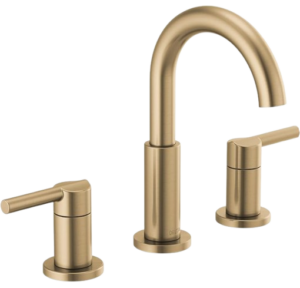
That constant drip… drip… drip from your faucet isn’t just annoying — it’s money going down the drain. A single leaky faucet can waste over 3,000 gallons of water per year, driving up your utility bills and wasting a precious resource.
The good news? You can fix most leaky faucets in about 10 minutes with just a few basic tools — no plumber required.
In this guide, I’ll walk you through diagnosing the problem and fixing it fast, so you can enjoy a quiet, efficient faucet again.
What You’ll Need
Before you start, gather these tools:
- Adjustable wrench or pipe wrench
- Screwdriver (Phillips or flathead, depending on your faucet)
- Replacement washers or O-rings (usually under $5 at any hardware store)
- Plumber’s grease (optional, but helps)
Check Current Price on Amazon – Adjustable Wrench
Check Current Price on Amazon – Screwdriver Set
Check Current Price on Amazon – Plumber’s Grease
Step 1: Turn Off the Water Supply
Before doing anything, locate the shut-off valves under the sink and turn them clockwise to close them. If your faucet doesn’t have individual shut-off valves, you’ll need to turn off the main water supply.
Pro tip: Place a bucket under the sink to catch any residual water in the pipes.
Step 2: Remove the Faucet Handle
Use your screwdriver to remove the decorative cap on the handle (usually marked with a “HOT” or “COLD” indicator). Underneath, you’ll find a screw — remove it and the handle should slide off.
Step 3: Remove the Stem or Cartridge
Once the handle is off, you’ll see the stem (for compression faucets) or the cartridge (for cartridge or ball faucets). Use your wrench to unscrew the packing nut, then pull out the stem or cartridge.
Step 4: Inspect and Replace the Washer or O-Ring
This is where the leak usually originates. The washer at the bottom of the stem is often worn, cracked, or hardened — causing water to seep through.
- Remove the old washer and take it to the hardware store to find an exact match, OR
- If you have a universal washer kit, pick one that fits
For cartridge faucets, check the O-ring on the outside of the cartridge — replace if damaged.
Step 5: Reassemble and Test
Pop the new washer or O-ring into place, reassemble the stem/cartridge, and screw everything back in. Reattach the handle, turn the water supply back on, and test your faucet.
That’s it — no more drip.
Common Mistakes to Avoid
- Forgetting to turn off the water — This leads to a spray show you’ll remember forever
- Oversizing the washer — Too big can cause the valve to not seat properly
- Skipping the plumber’s grease — It helps everything seat smoothly and extends the life of your fix
- Not replacing the O-ring — If your cartridge has one, it might be the actual source of the leak
Also avoid tackling this if you have low water pressure — that could indicate a bigger issue. Check out our guide on Low Water Pressure? Here’s the Fix before proceeding.
When to Call a Professional
While most leaky faucets are DIY fixes, call a plumber if:
- The faucet is corroded beyond recognition and you can’t disassemble it
- You’ve replaced the washer/O-ring but it still leaks (the issue might be in the valve seat)
- You have a ball faucet (single-handle) and can’t find the right replacement parts
Not sure whether to tackle it yourself? Our article on When to Call a Plumber vs DIY can help you decide.
Conclusion
A leaky faucet is one of the easiest plumbing fixes you can tackle — most jobs take under 10 minutes and cost less than $10 in parts. By handling it yourself, you’ll save $100+ in plumber fees and stop the water waste immediately.
Grab your wrench, pick up some replacement washers, and silence that drip today.
Buy an Adjustable Wrench on Amazon
This article was last updated April 2026.
Tags: leaky faucet, fix faucet, DIY plumbing, faucet repair, how to fix a faucet