
PLUMBING
Last updated: April 2026
Disclosure: Plumbing and Electrical Help is a participant in the Amazon Associates Program, an affiliate advertising program designed to provide a means for sites to earn advertising fees by linking to Amazon.
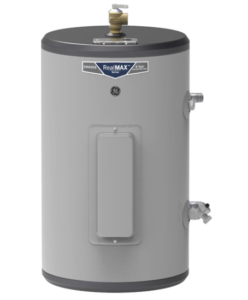
Your water heater is supposed to be the quiet workhorse of your home — heating water without fuss. So when it starts making popping, rumbling, or crackling sounds, it’s natural to worry.
The good news? In most cases, a popping water heater isn’t an emergency. But it can signal sediment buildup that, if ignored, leads to reduced efficiency and a shorter lifespan.
In this guide, I’ll explain what’s causing those noises, whether you should be concerned, and what you can do about it.
What Causes Popping Sounds?
Popping sounds in a water heater usually come from one of these issues:
- Sediment buildup — minerals and debris settle at the bottom of the tank. When the heating element heats the water, trapped steam bubbles push through the sediment, creating that popping sound.
- Hard water — if you live in an area with hard water, mineral deposits build up faster, making the problem more common.
- Loose heating element — occasionally, the heating element can become loose, causing vibrations and noise.
- Thermal expansion — the tank expands slightly as water heats, which can create popping or creaking sounds (usually harmless).
Is It Dangerous?
Occasional popping is usually fine — think of it like your water heater “talking.” However, watch for these warning signs:
- Loud, violent popping — could indicate severe sediment buildup
- Reduced hot water flow — sediment is taking up space in the tank
- Higher energy bills — the heater works harder to heat water through sediment
- Water leaks around the base — could mean the tank is deteriorating
If you notice any of these, it’s time to take action.
How to Fix It: Flush the Water Heater
The most effective solution is flushing the tank to remove sediment. Here’s how:
What You’ll Need
- Garden hose
- Bucket or drain
- Adjustable wrench
Check Current Price on Amazon – Pipe Wrench
Step-by-Step
- Turn off the water heater — set the thermostat to “off” or turn off the gas/electric supply.
- Connect the garden hose — attach one end to the drain valve at the bottom of the tank, run the other end to a floor drain or bucket.
- Open the drain valve — let water flow out. You’ll see brownish or rusty water if sediment is the culprit.
- Close the valve — once the water runs clear, close the valve, disconnect the hose, and turn the heater back on.
Pro tip: Flush your water heater once a year (or twice if you have hard water) to prevent sediment buildup.
When to Call a Professional
Call a plumber if:
- The popping persists after flushing
- You notice water leakage around the tank
- The heater is over 10-15 years old and making unusual noises
- You’re not comfortable flushing it yourself
Want to know more about when to tackle repairs yourself? Check out our guide on When to Call a Plumber vs DIY.
Conclusion
Occasional popping sounds are usually just sediment — harmless but worth addressing. Flushing your water heater once a year keeps it running efficiently and quietly.
If the noise is loud, persistent, or accompanied by other problems, don’t wait. Sediment buildup can eventually damage the tank and lead to costly repairs or replacement.
Flush your water heater this weekend — your wallet (and your ears) will thank you.
This article was last updated April 2026.
Tags: water heater, popping sounds, water heater maintenance, flush water heater, sediment buildup
Buy a Water Heater Flush Kit on Amazon