
PLUMBING
Last updated: April 2026
Disclosure: Plumbing and Electrical Help is a participant in the Amazon Associates Program, an affiliate advertising program designed to provide a means for sites to earn advertising fees by linking to Amazon.
Every homeowner faces this question: Should I fix this myself or call a plumber?
On one hand, DIY saves money. On the other hand, a botched plumbing job can turn a $100 problem into a $5,000 disaster.
This guide will help you make the right call — literally.
When DIY Is the Right Choice
You can safely handle these plumbing issues yourself:
- Running toilet — usually a simple flapper or fill valve replacement (see our guide).
- Leaky faucet — typically a washer or O-ring fix (learn how here).
- Clogged drain — snake, plunger, or baking soda/vinegar usually work (full guide here).
- Low water pressure — often just a clogged aerator or showerhead.
- Running toilet — flapper or fill valve replacement.
- Minor drippy showerhead — usually just needs a new washer or Teflon tape.
These are low-risk, high-reward projects. You save $100-200 in labor and gain the satisfaction of fixing it yourself.
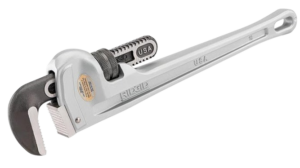
Check Current Price on Amazon – Water Pump Pliers
When to Call a Plumber
Some jobs are better left to the professionals:
- No hot water — could be a heater element, thermostat, or gas valve issue.
- Burst pipes — requires immediate professional attention to prevent flood damage.
- Sewer line problems — foul odors, multiple backed-up drains, or gurgling toilets.
- Gas line work — never attempt this yourself. Gas leaks are deadly.
- Major leaks — anything flooding or potentially damaging your home’s structure.
- Permit work — some jurisdictions require licensed plumbers for certain jobs.
- Main water line issues — excavations or main line repairs.
These are high-risk jobs where a mistake can cause massive damage or injury.
Cost Comparison
Here’s a rough idea of what DIY vs. professional costs look like:
| Project | DIY Cost | Plumber Cost |
|---|---|---|
| Leaky faucet | $5-10 | $150-300 |
| Clogged drain | $0-25 | $150-350 |
| Running toilet | $15-30 | $150-250 |
| Water heater repair | $50-200 | $300-800 |
| Burst pipe | Not recommended | $1,000-5,000+ |
How to Decide: Ask Yourself These Questions
- Do I have the tools? — If you need to buy expensive equipment, a pro might be cheaper.
- Is there a risk of flooding? — Any risk of water damage = call a pro.
- Is it behind walls? — Accessing hidden pipes = pro job.
- Is it a gas appliance? — Always call a licensed professional.
- Do I have time? — Factor in research, parts hunting, and actual repair time.
- Do I have experience? — If you’ve never touched plumbing, start with easier jobs.
Safety First
Some jobs are never DIY:
- Gas water heaters or furnaces — carbon monoxide risk
- Gas line repairs or installations — explosion risk
- Sewer line work — biohazard exposure
- Main water shutoff — if done wrong, can flood your home
When in doubt, call a pro. Your safety is worth more than any savings.
Conclusion
Most minor plumbing issues are perfectly suitable for DIY — leaky faucets, clogged drains, running toilets. Save your money for the big jobs that truly require a professional.
Start small, build confidence, and know when to pick up the phone.
Looking for more DIY guides? Check out How to Fix a Leaky Faucet, How to Unclog a Drain, or Low Water Pressure? Here’s the Fix.
This article was last updated April 2026.
Tags: when to call a plumber, DIY plumbing, plumber vs DIY, plumbing safety, hiring a plumber