
PLUMBING
Last updated: April 2026
Disclosure: Plumbing and Electrical Help is a participant in the Amazon Associates Program, an affiliate advertising program designed to provide a means for sites to earn advertising fees by linking to Amazon.
Standing water in your shower. A sink that won’t drain. The slow, gurgling sound that means something’s blocking the pipe.
Before you reach for the phone to call a plumber, try these proven methods. Most drain clogs — whether in the kitchen, bathroom, or laundry room — can be cleared without professional help.
Let’s start with the easiest fix and work up from there.
Method 1: Boiling Water (Easiest)
For minor clogs, especially in kitchen sinks, boiling water can work wonders — it melts through grease and soap buildup.
What to do:
- Boil a kettle or pot of water.
- Slowly pour it down the drain in two or three stages, allowing it to work for several seconds between pours.
- Run hot water from the tap to flush everything through.
Pro tip: Use this as a first step before trying anything else — it takes 30 seconds and often works.
Method 2: Baking Soda and Vinegar (Natural)
This classic combo breaks down organic matter and freshens pipes — no harsh chemicals needed.
What to do:
- Pour ½ cup baking soda down the drain.
- Follow with ½ cup white vinegar.
- Cover the drain (a plugged sink or dish works) and let it fizz for 15-30 minutes.
- Flush with hot water.
Repeat if needed. This works great for bathroom sinks and shower drains.
Method 3: The Plunger (Classic)
A plunger isn’t just for toilets — it works on sinks and showers too.
What to do:
- Fill the sink or shower with just enough water to cover the plunger cup.
- Place the plunger over the drain, making sure it forms a seal.
- Pump vigorously 15-20 times.
- Check if the water drains freely. If not, repeat.
For double sinks, block the other drain with a wet rag to create better suction.
Method 4: Drain Snake (For Tough Clogs)
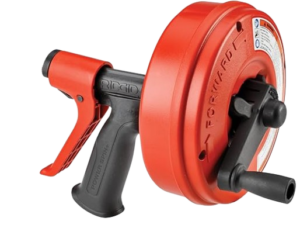
When the clog is deeper in the pipe, a drain snake (also called a auger) reaches what plungers can’t.
What You’ll Need:
- Manual drain snake (around $10-20)
- Bucket to catch debris
Check Current Price on Amazon – Drain Snake
What to do:
- Insert the snake into the drain.
- Turn the handle clockwise as you push it deeper.
- When you feel resistance, rotate the head to catch the clog.
- Pull the snake back out — the clog should come with it.
- Run hot water to flush remaining debris.
Method 5: Remove the P-Trap (Last Resort)
If nothing else works, the clog might be in the P-trap (the curved pipe under the sink).
What to do:
- Place a bucket under the P-trap.
- Use an adjustable wrench to loosen the slip nuts on both ends.
- Remove the trap and clear out any debris.
- Reassemble and test.
This method is a bit more involved, but it almost always works.
How to Prevent Future Clogs
- Use drain covers — catch hair, food particles, and debris before they enter the pipe.
- Don’t pour grease down the kitchen sink — dispose of it in the trash.
- Run hot water weekly — helps flush minor buildup.
- Flush with baking soda monthly — keeps pipes clean and odor-free.
For more plumbing tips, check out our guide on Low Water Pressure? Here’s the Fix.
When to Call a Professional
Call a plumber if:
- The clog keeps coming back (could be a deeper issue in the main line)
- Multiple drains are backing up at once
- You notice a bad sewer smell
- Water is coming up from other drains when you use one
Need help deciding? Our article on When to Call a Plumber vs DIY has you covered.
Conclusion
Most drain clogs are no match for these methods. Start with boiling water, work up to the drain snake if needed, and save yourself a $150+ plumber visit.
Keep a drain snake and plunger on hand — you’ll be glad you did.
This article was last updated April 2026.
Tags: unclog drain, how to unclog a drain, clear drain, drain cleaning, DIY plumbing